
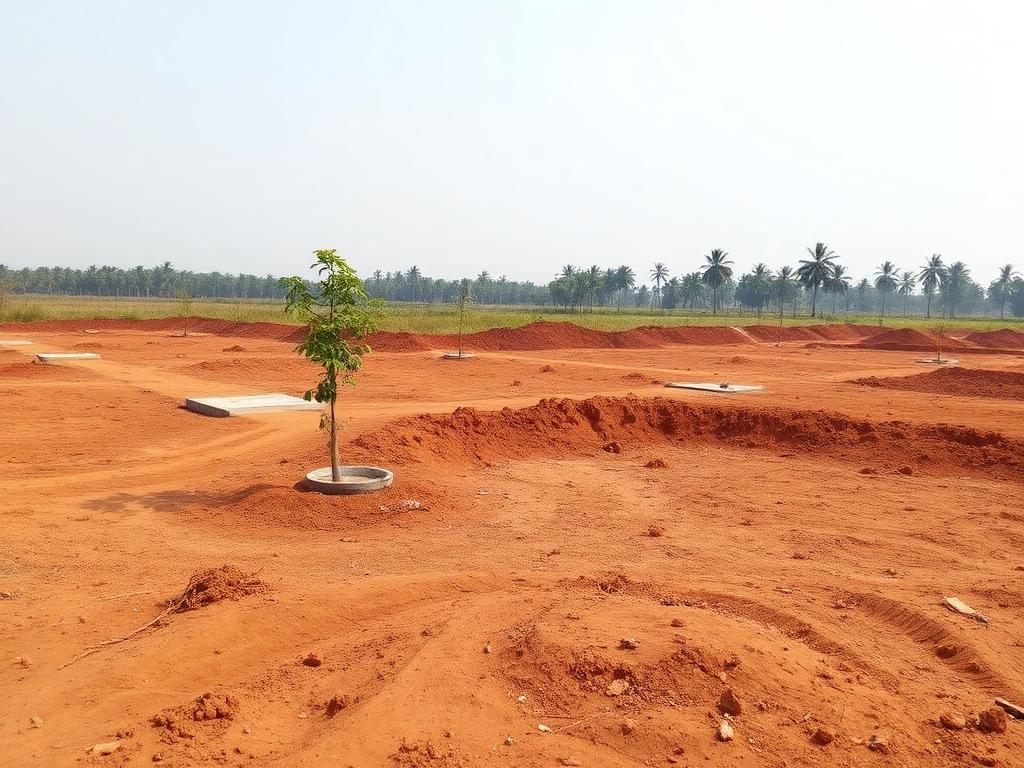
Before
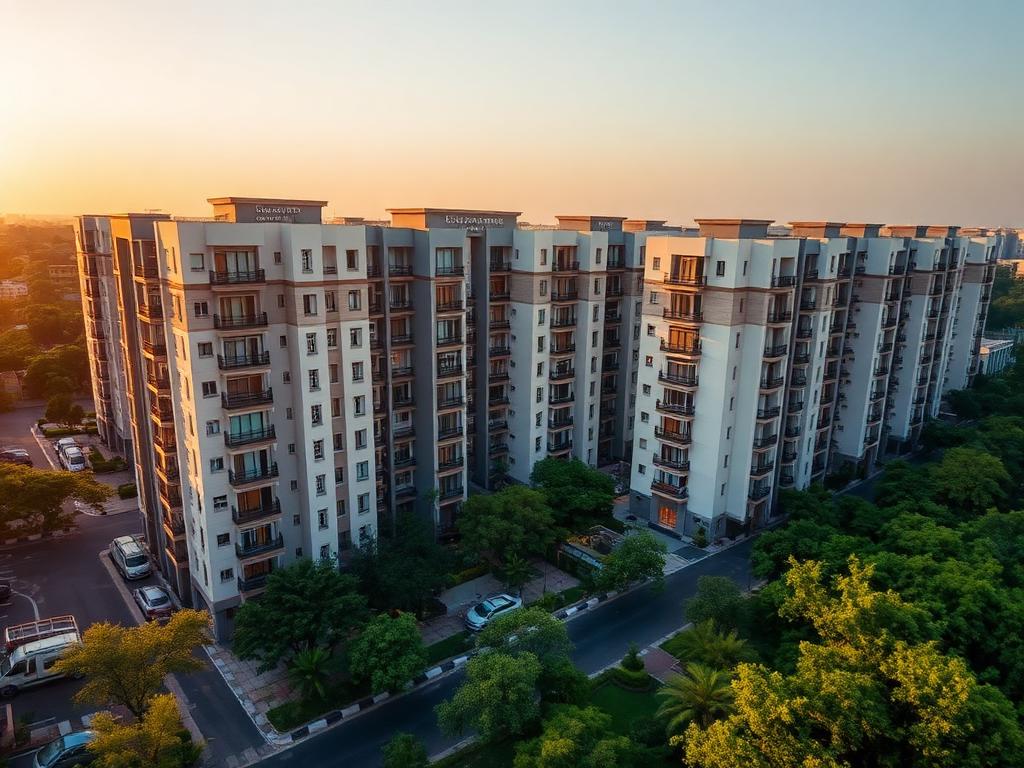
After
Residential
58 : 42
Illustrative Example — Not a Real Project or Developer
Teynampet residential scenario
Chennai · 8,400 sq ft
Modelled allocation: six flats plus a cash component, subject to planning, costs and negotiation.
Hypothetical joint venture and lease structures. Every card is an illustrative example, not a real project, developer or testimonial. Any share range is indicative. It depends on sanctionable development area, current comparable evidence, construction and professional costs, finance, specification, timeline, market absorption and project risk.
Modelled allocation: six flats plus a cash component, subject to planning, costs and negotiation.
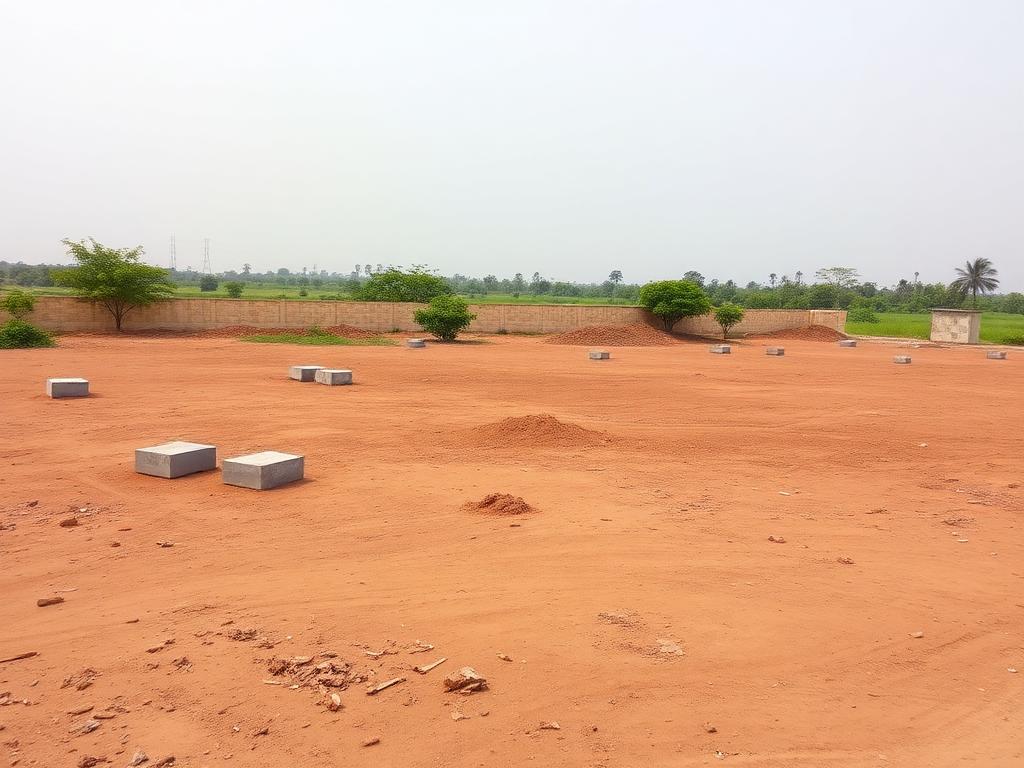
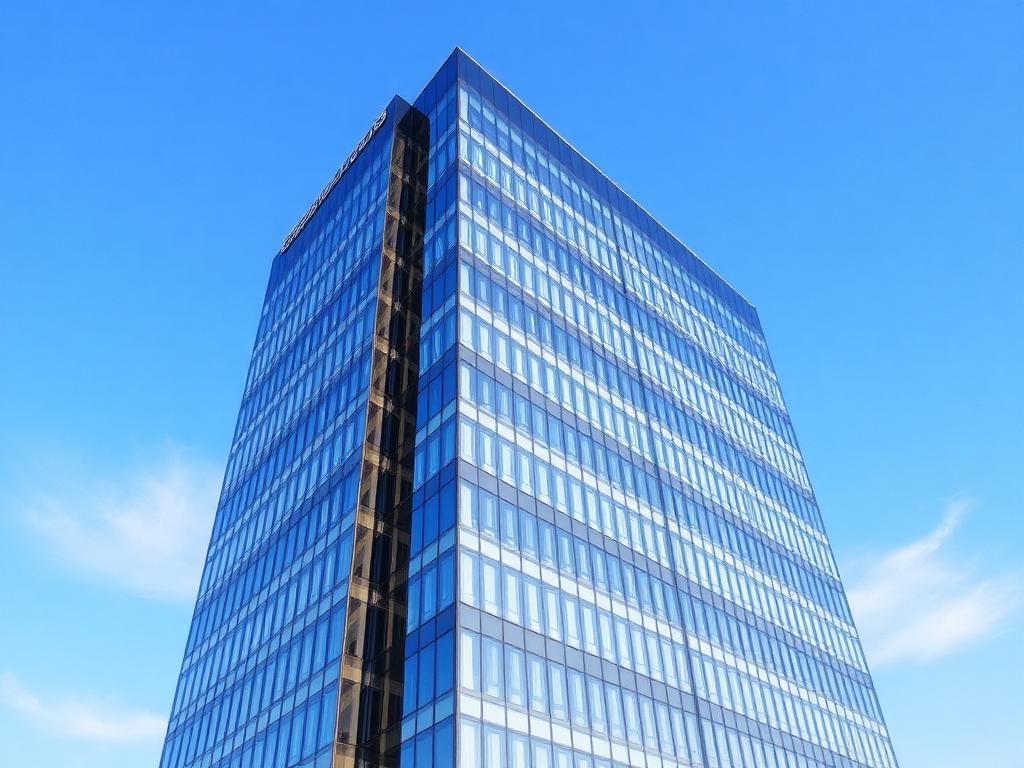
Modelled route: retained commercial area with lease income after delivery and tenanting.
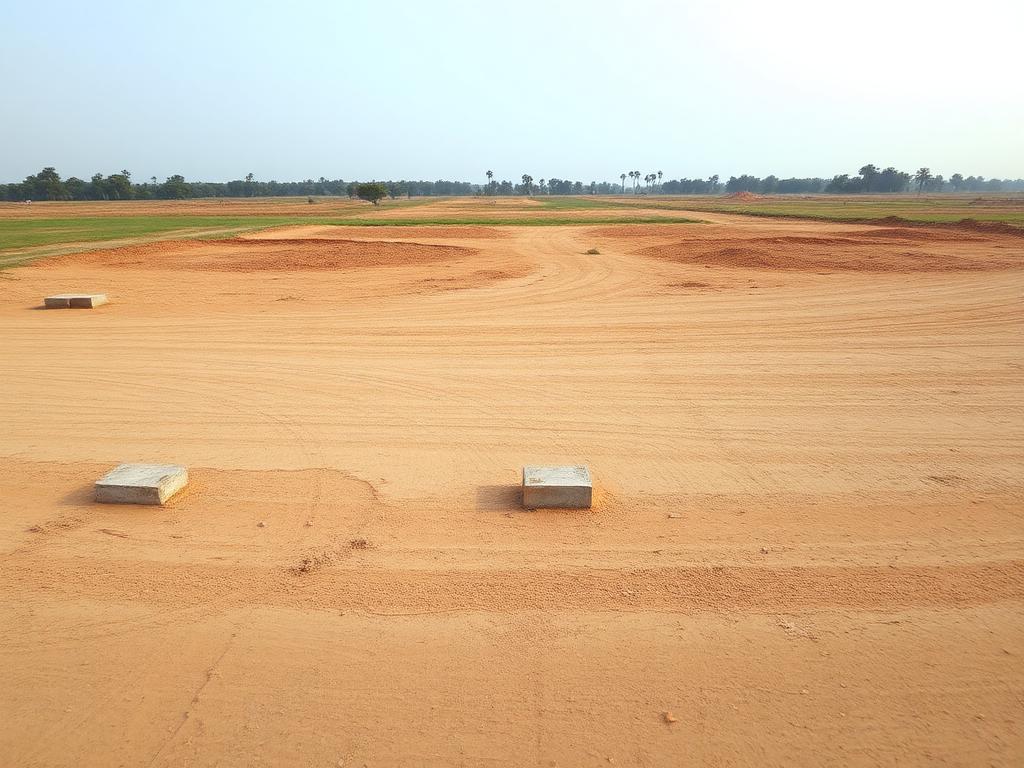
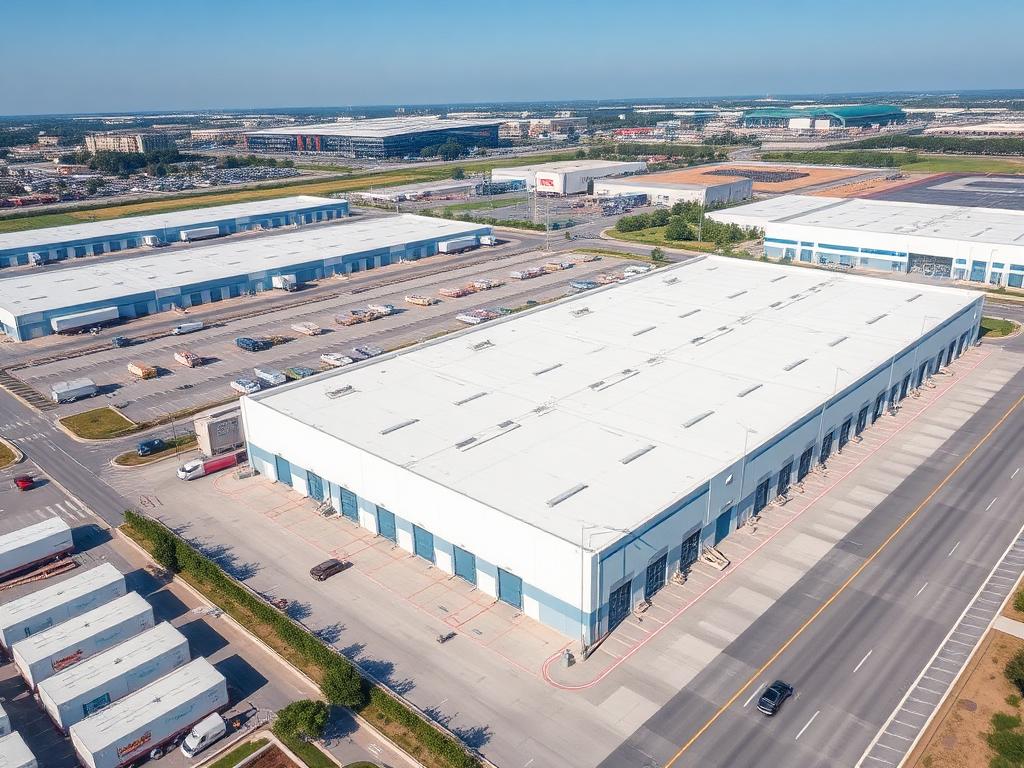
Modelled route: a long lease with ownership retained, subject to access, use and tenant demand.
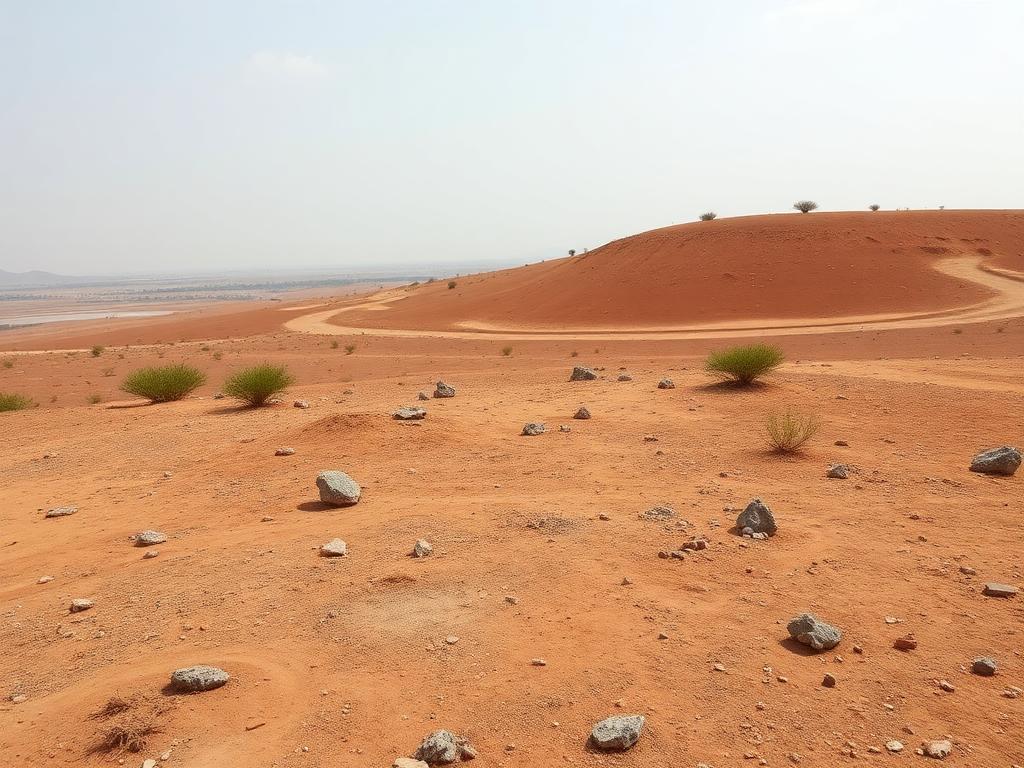

Modelled route: long-term land rent subject to wind resource, evacuation and statutory feasibility.
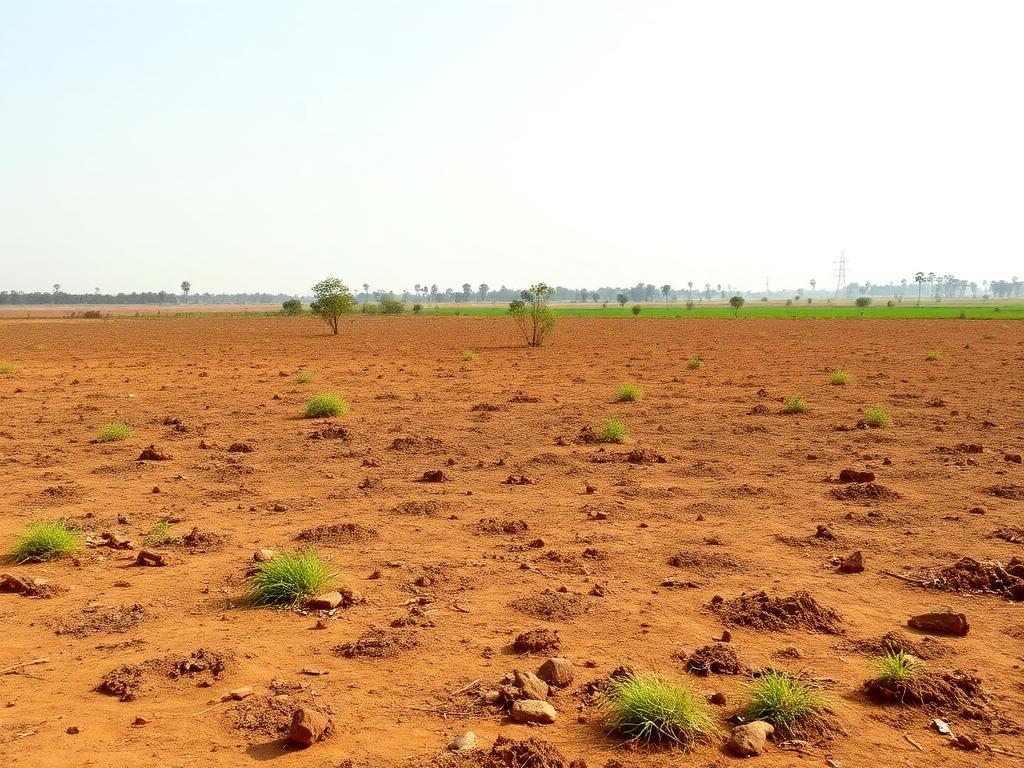
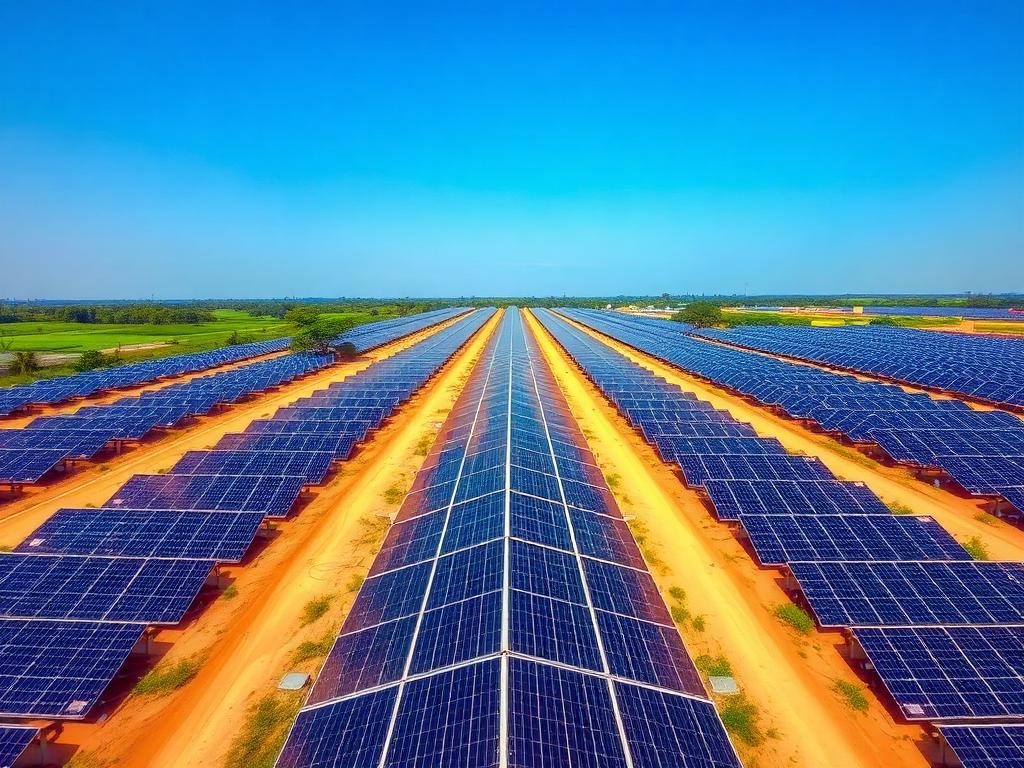
Modelled route: solar lease subject to grid, access, title, land-use and developer feasibility.
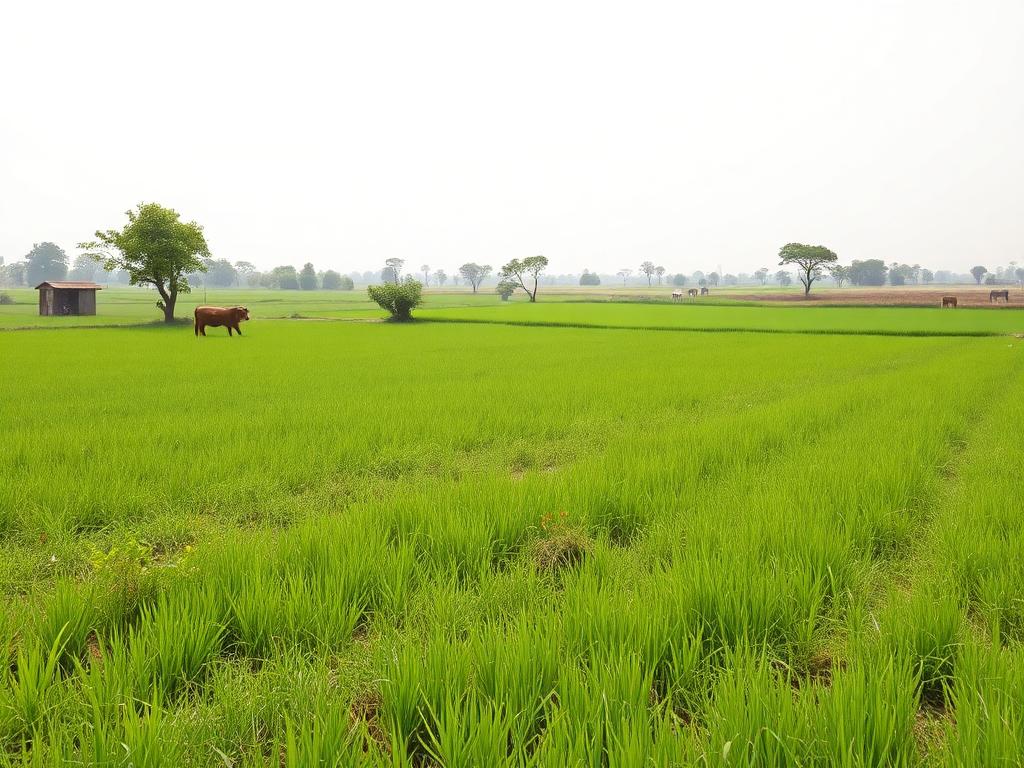
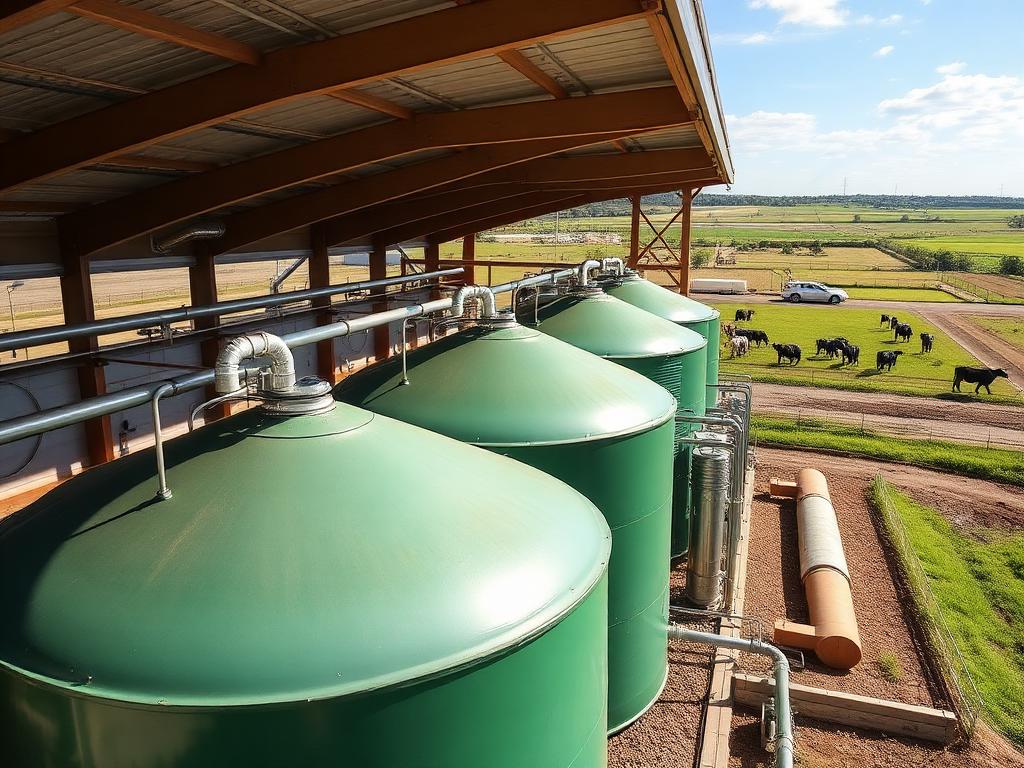
Modelled route: project revenue sharing subject to feedstock, offtake and operating assumptions.
Modelled area-sharing structure; the percentage is not a market promise or recommendation.
Modelled retail structure subject to planning, parking, tenant demand, finance and build cost.
Every card in this gallery is a hypothetical worked example. It is not a completed project, a developer profile, a testimonial or evidence of Property Builder's track record.
Before-and-after imagery makes a development route easier to understand, but the arithmetic remains indicative. Sanctionable area, sale evidence, costs, finance, specification, timeline, demand and risk must be checked for the specific plot before a share or outcome can be supported.
Renewable projects deserve a note. Land that cannot support a building because of zoning, access or soil conditions can still generate income. Solar leases, wind installations and biogas plants have become viable across parts of Tamil Nadu, and for owners of remote or agricultural parcels these are often the only route to a productive return.
Feasibility comes first: survey verification, zoning and FSI check, soil assessment, approval route, and a construction cost model built from current Chennai material and labour rates rather than a generic per-square-foot number. If the numbers do not work for the landowner, we say so and stop there.
If an engagement proceeds, the proposed JV agreement should define the sharing basis, specification, programme, responsibilities, remedies and exit mechanics. The applicable planning body and any TNRERA obligation depend on the specific project.
Required completion, occupancy, as-built, snagging and registration records should be listed in the signed scope. Their existence and status must be verified project by project.
How long will it take? Small residential JVs in Chennai typically run eighteen to thirty months from agreement to handover, including approvals. Commercial and warehousing projects vary widely with approval complexity.
What if the builder stalls? The agreement includes milestone-linked penalties, a defined cure period and a substitution mechanism. We only work with builders whose completed project history and financial position we have reviewed directly.
What is my tax exposure? Transfer of the development rights and receipt of the constructed share both have tax consequences, and the timing can be planned. We structure the agreement so your chartered accountant has options rather than a fixed outcome.
Yes. Every project shown is a completed or in-progress build with the landowner's written consent to publish. We can share verification files, site addresses and landowner references on request.
Yes. We run weekly site walks in Chennai — Teynampet, OMR and Velachery. Book a slot via the contact form and we'll pair you with the landowner who agreed to host visitors.
Case study earnings range from 6 flats + ₹28L cash (Teynampet) to ₹4.2L/month lease (OMR commercial) to ₹2.4L/acre/year (Kayathar wind lease). Full case studies are shared after a valuation call.
Request a free valuation. If your land fits residential, commercial, warehouse, solar, wind or biogas use, we design a JV or lease structure tailored to your plot.